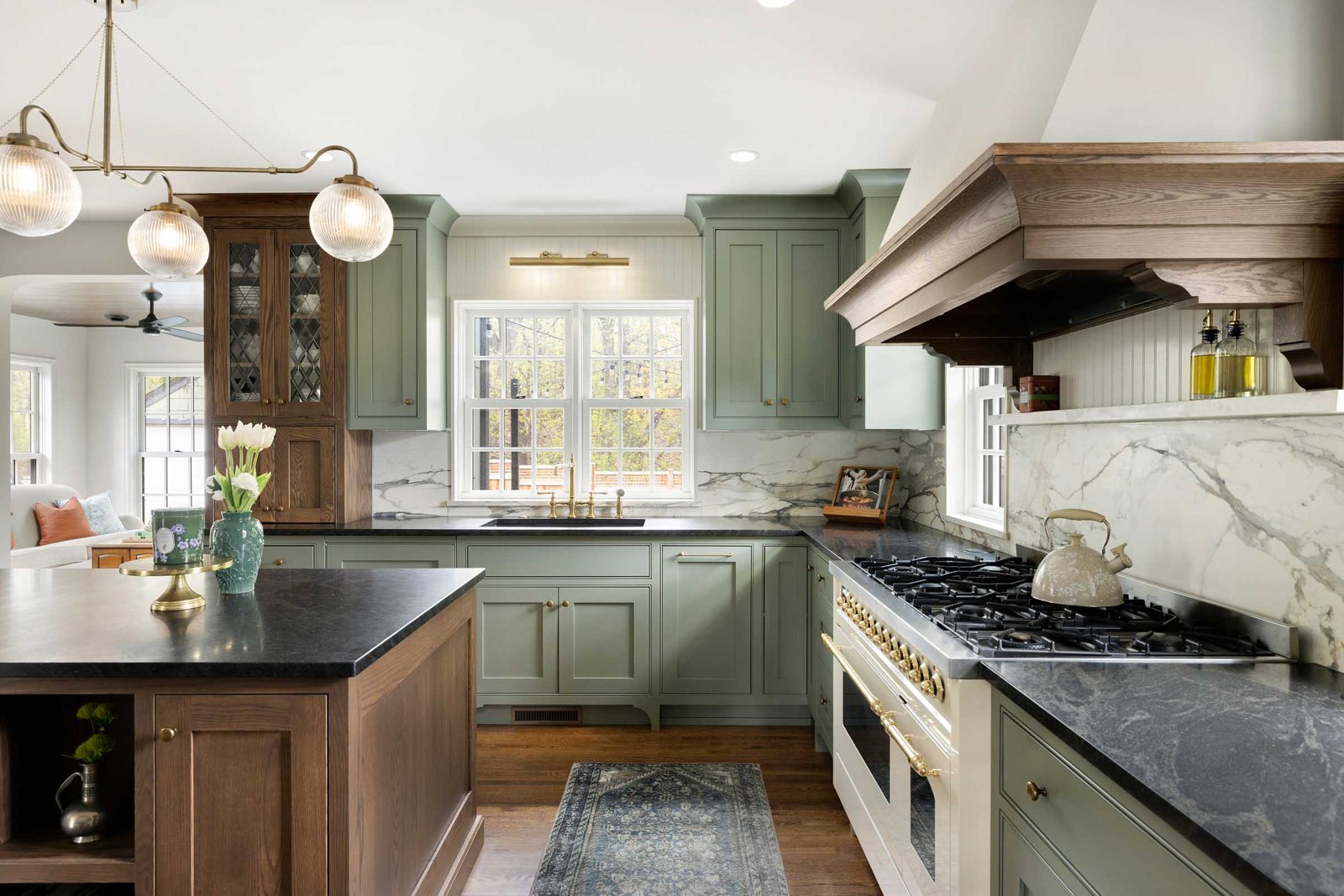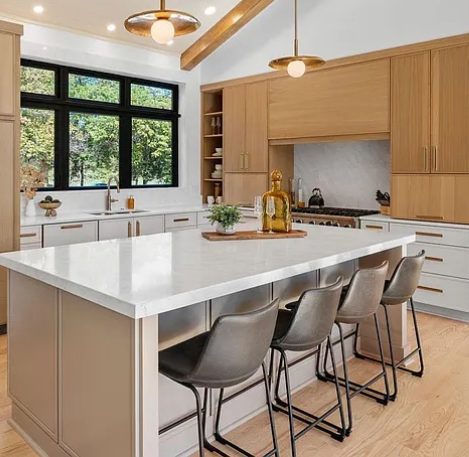
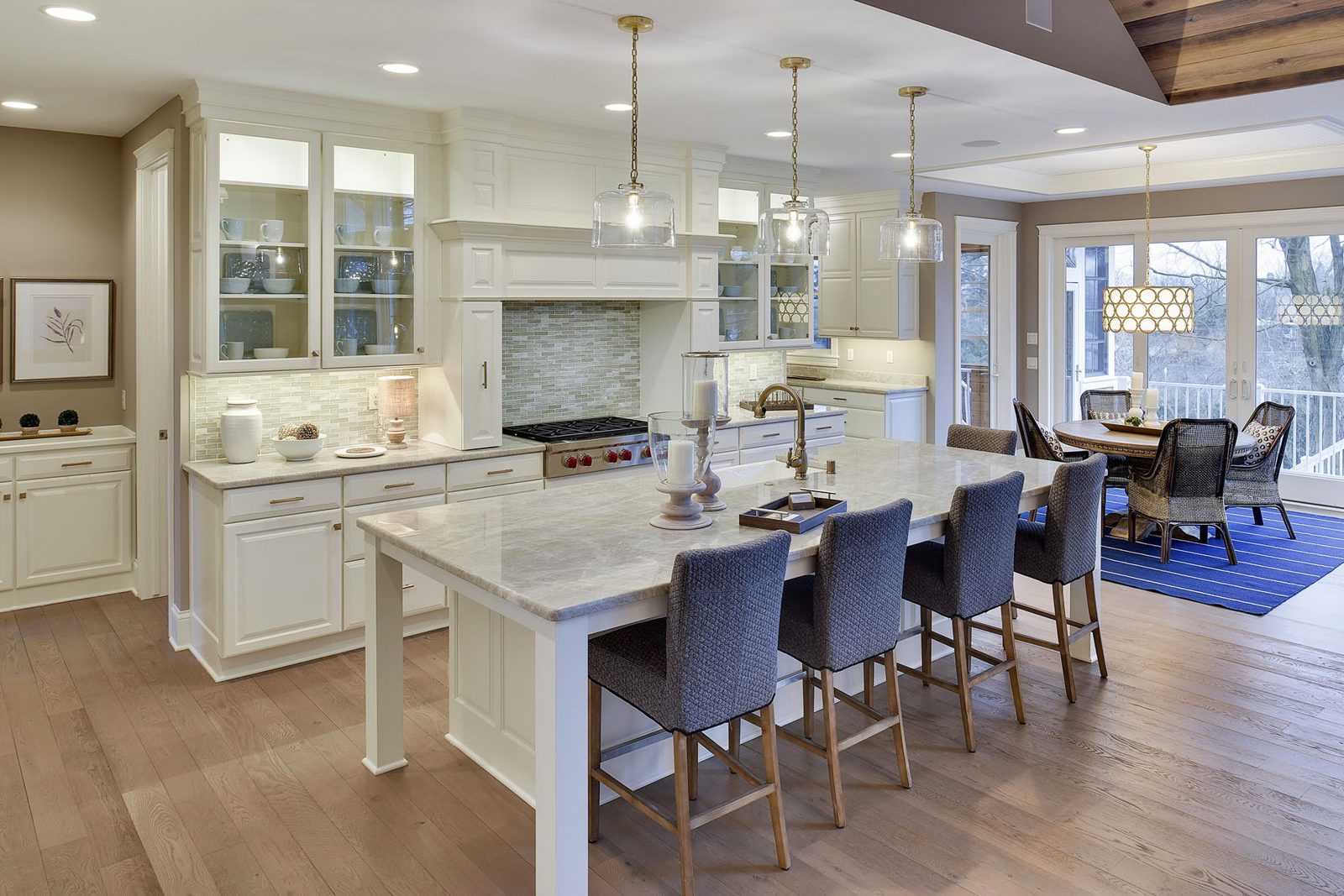
Quartz wins on consistency, stain resistance and zero maintenance; granite wins on heat, outdoor use and one-of-a-kind natural pattern. The right answer depends on how you cook and what you want the counter to look like in ten years.
Choose quartz if you want a consistent look from slab to slab, the best stain resistance in the category and no sealing, ever. Choose granite if you set hot pans down without thinking, want a top that can live outdoors, or love the idea that no other kitchen has your exact stone. Both are hard, both last decades, and both are fabricated and installed the same way — the difference is what you are optimizing for.
What quartz is, and what granite is
Engineered quartz is roughly 90 percent ground natural quartz bound with polymer resin and pigment, pressed into slabs. That is why it is non-porous, why the color is predictable, and also why it dislikes heat and UV: the resin is the weak point.
Granite is quarried natural stone, cut and polished into slabs. Every slab is unique, it takes heat well, it is happy outside, and its natural porosity means it wants a sealer — applied at installation and refreshed on a schedule that depends on the stone.
Head to head
- Stains: quartz resists wine, coffee and oil without sealing; sealed granite resists them too, but the sealer is doing the work.
- Heat: granite takes a hot pan; quartz can scar or discolor under one. Use a trivet on quartz, always.
- Look: quartz is consistent and available in clean whites and marble looks that natural stone rarely offers at that price; granite is movement, depth and a pattern nobody else has.
- Outdoors: granite yes; quartz no (UV yellows the resin and voids most warranties).
- Maintenance: quartz needs none beyond cleaning; granite needs periodic resealing.
- Seams: both can be seamed cleanly; busy granite hides a seam better than a plain quartz.
See both in person
Our Maple Grove showroom carries full slabs of both, and most colors on this site show a photo of the real slab plus the supplier showroom where you can see the line. Bring a cabinet door sample and a floor sample; the counter is the surface you will touch every day, so decide it with the rest of the room in your hand.